

When Your Lawn Takes a Summer Nap: Understanding Dormancy and Beating the Northeast Heat
- Jul 14, 2025
- 3 min read

If your lawn in the Northeast is looking rough—brown patches, thinning grass, or just not its usual vibrant self—you’re not alone. The past month has been brutal, with temperatures hitting close to 90°F nearly every day, and that’s taking a toll. Let’s break down why your grass is going dormant and what’s behind this summer stress in a simple, no-fuss way.

What’s Happening to My Lawn?
Cool-season grasses like Kentucky bluegrass, fescue, and ryegrass, which dominate Northeast lawns, love cooler temps (think 60-75°F in spring and fall). But this July, the Northeast has been slammed with relentless heat, often pushing 90°F or higher daily, paired with high humidity and spotty rainfall. This combo is making your grass wave the white flag and go dormant, a survival tactic to ride out the tough conditions.
Why Is My Grass Going Dormant?
Dormancy is your lawn’s way of saying, “I’m out!” until better days. Here’s why the last month’s weather is driving it:
Relentless Heat: Over the past 30 days, temperatures across the Northeast have consistently hit the upper 80s to low 90s, with some areas like New York City and Boston seeing heat indices (what it feels like with humidity) climbing into the mid-90s or higher. Cool-season grasses shut down when temps stay above 85°F for too long, slowing growth or going dormant to save energy.
Drought and Spotty Rain: Rainfall has been below average in many parts of the Northeast this July, with some areas getting less than half their normal precipitation. Without consistent water (about 1 inch per week), grass roots dry out, triggering dormancy to prevent permanent damage.
High Humidity and Fungal Issues: The muggy air, with humidity levels often above 70%, creates a breeding ground for fungal diseases like brown patch or dollar spot. These weaken grass, especially when combined with the heat, making dormancy more likely as the plant struggles.
Foot Traffic and Wear: Summer barbecues, kids, or pets trampling the lawn add extra stress, especially when the grass is already weakened by heat and dry spells. Compacted soil from heavy use makes it harder for roots to get water and air.
Soil and Maintenance Struggles: If your soil is compacted or nutrient-poor, or if you’re mowing too short (below 3 inches), your grass is less equipped to handle this month’s heatwave. Weak grass goes dormant faster when the weather turns brutal.

Why Dormancy Isn’t the End of the World
Here’s the good news: dormancy doesn’t mean your lawn is toast. Cool-season grasses are built to survive this. They’ll perk back up when cooler, wetter weather hits in the fall. With a little TLC, your lawn can come back greener than ever.
What Can You Do?
Water Smart: Aim for 1 inch of water per week, including rain, with deep, infrequent watering in the early morning to avoid evaporation and fungi. Given this month’s dry spells, supplemental watering is key.
Mow High: Keep grass at 3-4 inches to shade the soil, keep roots cooler, and retain moisture.
Limit Traffic: Ease up on heavy use of stressed areas to give your lawn a breather.
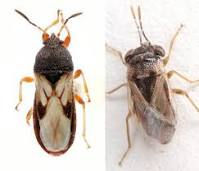
Check for Pests or Disease: Patchy spots might mean fungi or grubs.
Looking Ahead
The past month’s near-daily 90°F heat and inconsistent rain have pushed your lawn into survival mode. But with cooler fall temps and more rain on the horizon, your grass should wake up. Overseeding and fertilizing in early fall can help it recover and come back stronger next year. Hang in there—your lawn’s just taking a summer nap to beat the heat.


Comments